
Honda S2000

Honda's Mission

The Honda S2000 is a lightweight, rear-wheel-drive roadster produced by Honda from 1999 to 2009. Built to celebrate Honda’s 50th anniversary, it delivers a pure driving experience with balanced handling and a focus on precision.


Built with a focus on simplicity and precision, the Honda S2000 avoids unnecessary complexity, emphasizing driver engagement above all else. Its compact size, lightweight feel, and perfectly balanced chassis create a raw and connected driving experience that stands out among modern sports cars.

The History

Performace

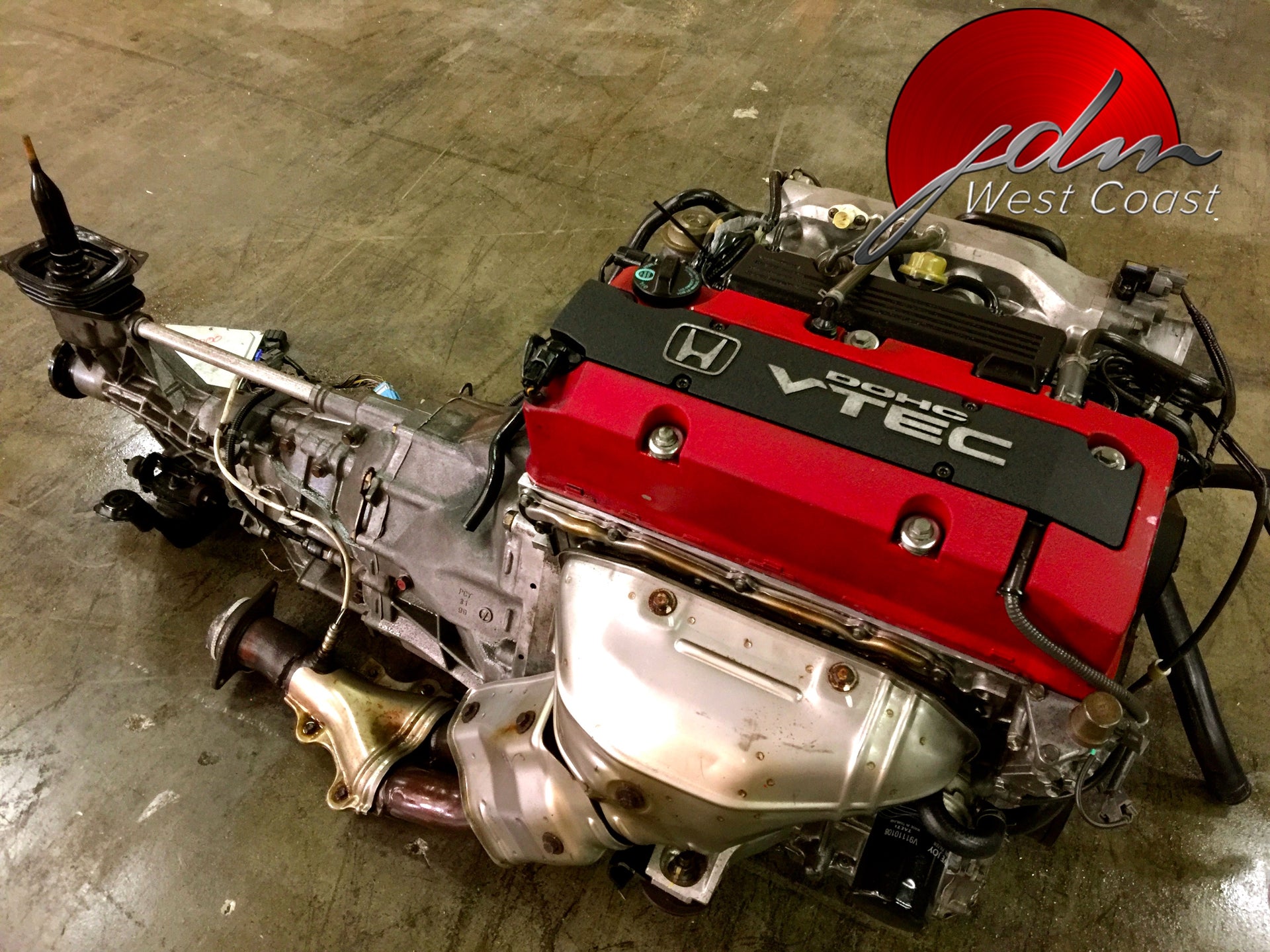
The S2000 is best known for its high-revving inline-four engine, capable of reaching up to 9,000 RPM in early models. Paired with a close-ratio 6-speed manual and rear-wheel drive, it delivers sharp handling, quick acceleration, and one of the highest power outputs per liter of its time.

Technology

Advanced engineering played a key role in the S2000’s design. It featured a rigid X-bone frame, double wishbone suspension, and near-perfect 50:50 weight distribution. Later models added drive-by-wire throttle and stability control, improving both responsiveness and control.

Legacy

Led by chief engineer Shigeru Uehara, the S2000 was built with a clear vision: prioritize driving feel over mass appeal. Uehara’s philosophy created a car focused on balance, precision, and driver connection, leaving a lasting influence on modern sports cars and earning deep respect among enthusiasts.

The S2000 traces its roots to the 1995 Honda Sport Study Model (SSM) concept, first shown at the Tokyo Motor Show. Inspired by Honda’s early roadsters and racing heritage, the concept evolved into a production car that stayed true to its original lightweight and performance-focused vision.

Quirks and Features

F20C Engine

The original 2.0 L F20C engine produced up to 247 horsepower and could rev to 9,000 RPM, delivering one of the highest specific outputs of any naturally aspirated production car at the time.

X-Bone Chassis Design

Its high-rigidity X-bone frame was engineered to maximize structural strength while minimizing weight. Combined with ideal weight distribution, it allowed for exceptional cornering stability and precise, predictable handling.
Driver-Focused Cockpit

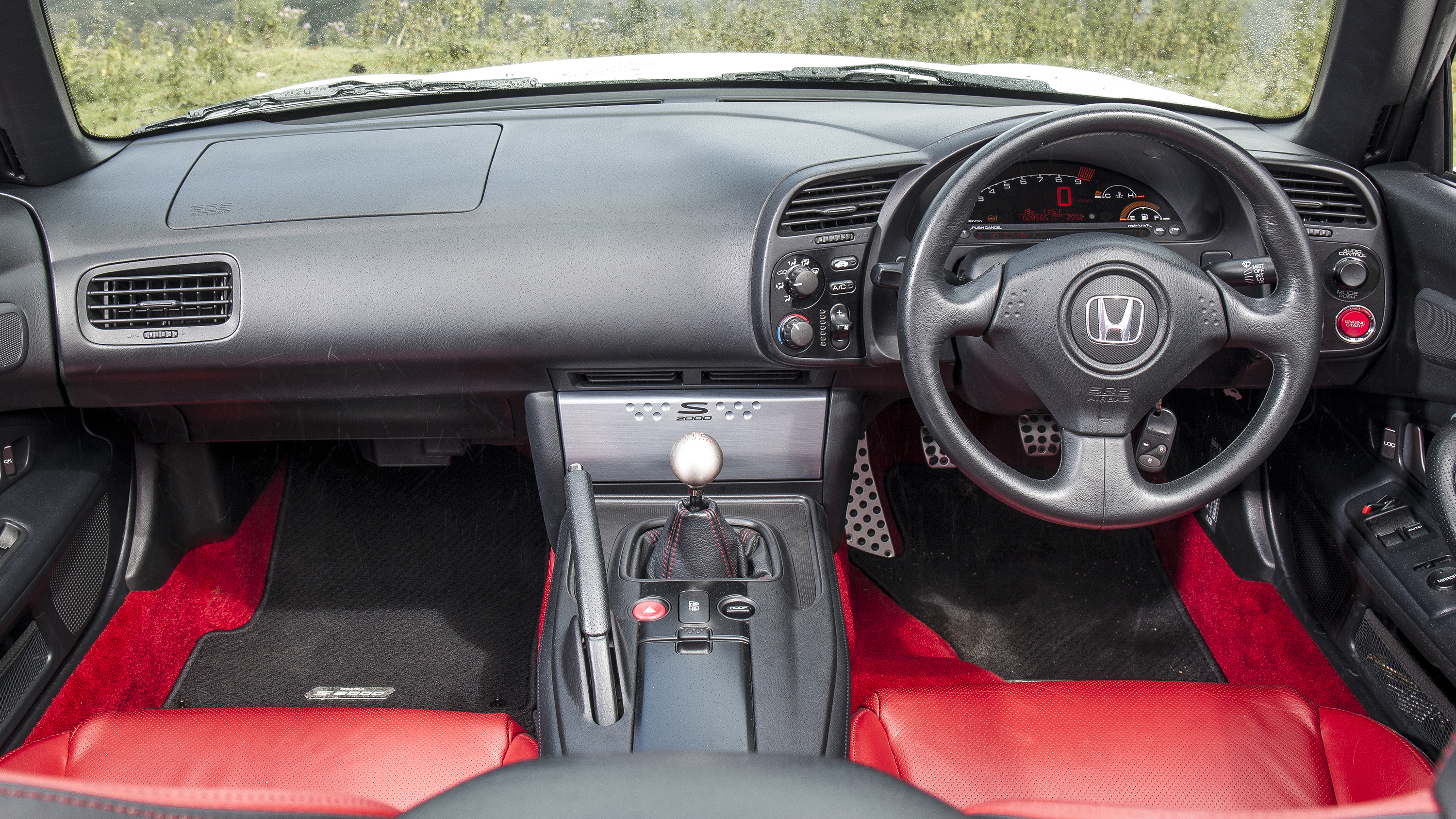
The interior was designed with a Formula One-inspired digital gauge cluster, placing the tachometer front and center. Every control was positioned for quick access, creating an immersive environment centered entirely around the driver.

Before the Honda S2000, Honda had already established a strong foundation in lightweight sports cars with its early “S-series” models of the 1960s. Cars like the Honda S500, Honda S600, and Honda S800 were small, agile roadsters that reflected Honda’s motorcycle roots, featuring high-revving engines and innovative engineering such as chain-driven rear wheels in the earliest versions. These cars prioritized lightweight construction and spirited performance over raw power, offering a driving experience that emphasized precision and responsiveness. Although production of these models ended decades before the S2000 was introduced, their philosophy of simplicity, balance, and driver engagement directly influenced the S2000’s design, making it a modern revival of Honda’s original sports car spirit.

Sleek luxury sports coupe parked indoors, showcasing modern automotive design.

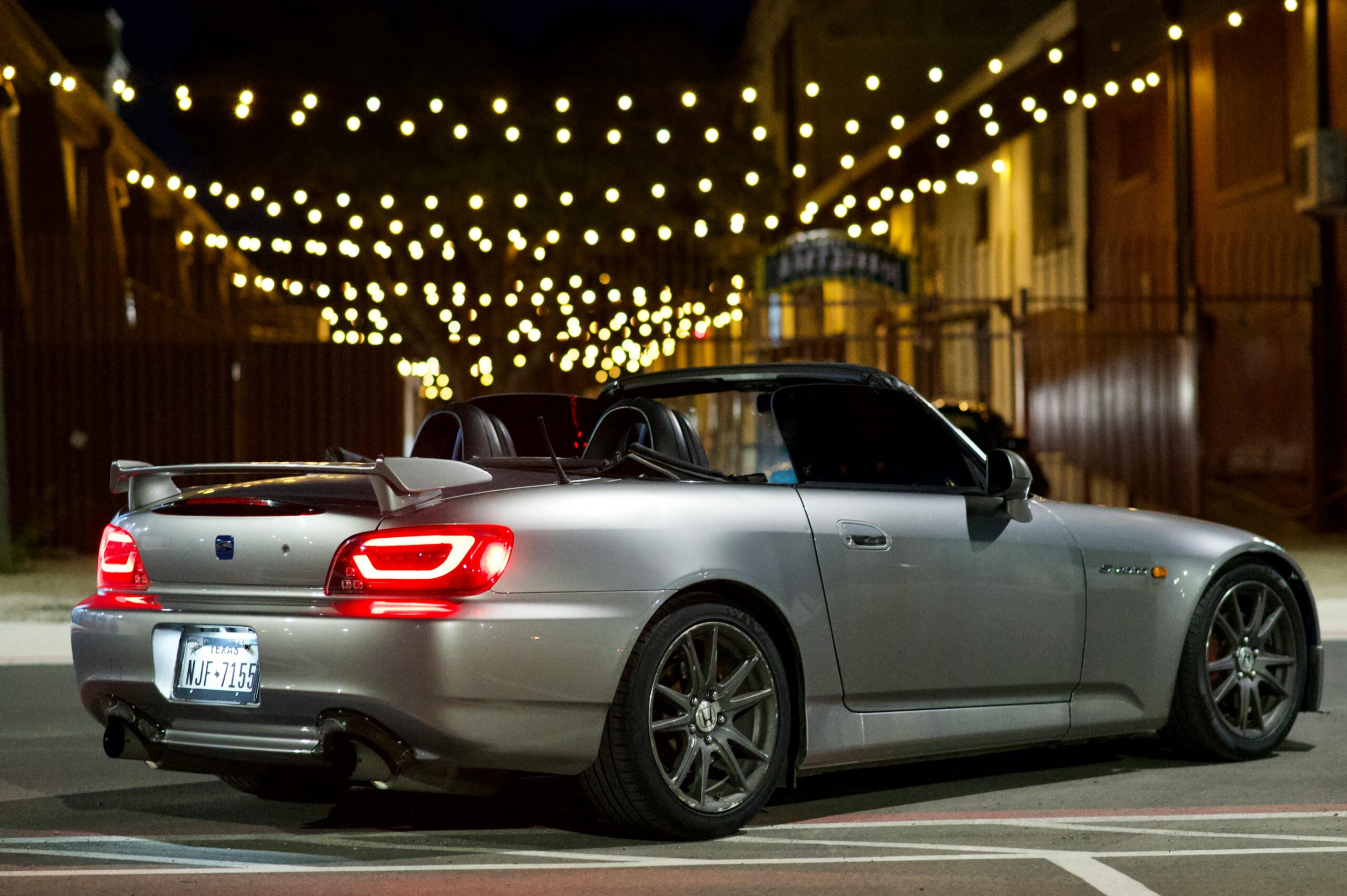
In 2004, the S2000 received a major update with the AP2 model, introducing a larger 2.2 L engine for increased torque and improved drivability. Suspension and chassis refinements enhanced stability, while updated styling and interior changes modernized the car without losing its original character.

The Honda S2000 achieved nearly 120 horsepower per liter, making it one of the highest-output naturally aspirated engines ever produced at the time.